
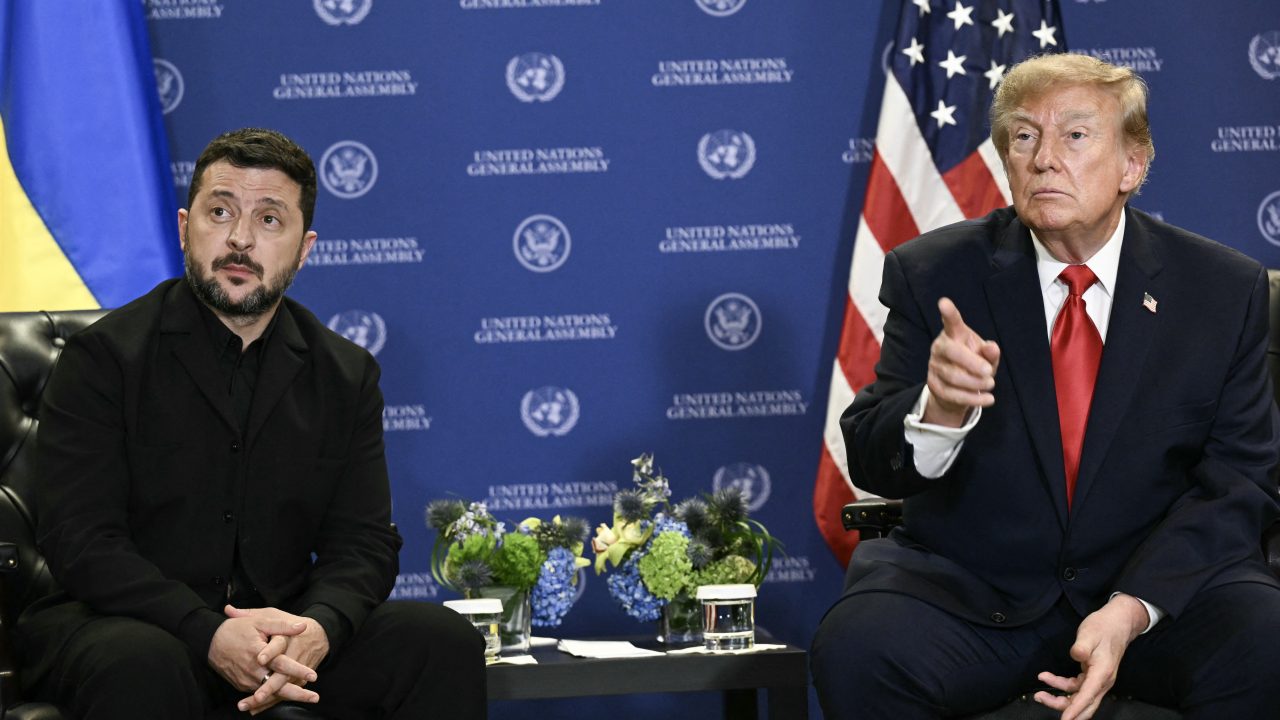
President Donald Trump is encountering intensifying opposition from members of his own party regarding a newly announced agreement to import diesel fuel from Russia. Lawmakers argue that the move contradicts a 2022 statute prohibiting Russian oil imports, which was designed to curb financing for President Vladimir Putin’s military operations in Ukraine.
On Sunday, a joint statement released by four Republican senators and three Democrats criticized the administration for bypassing congressional oversight. The legislators emphasized that the 2022 ban was intended to ensure American dollars do not fund aggression against Ukraine and its NATO allies. They urged the president to immediately reverse the decision, warning that providing financial support to Moscow undermines U.S. security interests.
The bipartisan group includes Republican Senators Lisa Murkowski, Susan Collins, Thom Tillis, and John Curtis, alongside Democratic Senators Jeanne Shaheen, Ron Wyden, and Richard Blumenthal. In the statement, they noted that the administration failed to consult with Congress or provide justification for the policy shift.
Tillis appeared on NBC’s Meet the Press to voice concerns about the potential risks to American personnel. He stated that associating with Putin endangers U.S. lives, particularly special operations and forward-deployed troops. Tillis also reiterated that the deal likely violates existing law, which mandates a full Russian withdrawal from Ukrainian territory before energy imports can resume.
The controversy arises just weeks after Trump signed the Lindsey Graham Russia sanctions bill, legislation aimed at targeting Russian financial institutions and the energy sector. Critics, including Murkowski, argued that the president should utilize those authorities rather than facilitating revenue for Russia’s war machine.
On Friday, Trump announced that he had secured an agreement with Putin for Moscow to supply 300,000 tons of diesel to American and global markets. The administration stated the move aims to lower energy prices, which have surged since the onset of the Iran conflict in February. However, the high costs have strained relationships with key Republican constituencies, including farmers whose operations have been heavily impacted.
Following the announcement, Trump claimed on Sunday that Russia and Ukraine had agreed to an immediate energy ceasefire. Ukrainian President Volodymyr Zelensky disputed this on Monday, pointing to overnight Russian strikes on energy facilities that resulted in casualties. Zelensky described Trump’s initial deal as a “gift to Putin,” arguing it demonstrates weakness and enables Russia to prolong the war.
Trump responded to Zelensky’s criticism over the weekend by telling reporters that it is time for Ukraine to elect a new president. Meanwhile, Republican Representative Brian Fitzpatrick announced plans to introduce the “Ronald Reagan Peace Through Strength Act,” a bipartisan bill aimed at blocking any lifting of sanctions on Russian oil. He has already secured co-sponsorship from Republican Representative Don Bacon.
Treasury Secretary Scott Bessent defended the deal during an appearance on Fox News, asserting that the administration is acting within all legal authorities available. He dismissed suggestions that the Lindsey Graham bill or other legislation prohibits the transaction. Wyoming Senator John Barrasso also supported the decision, telling CBS that the president must make difficult choices.
International allies have also pushed back against the agreement. Swedish Prime Minister Ulf Kristersson and Estonian Prime Minister Kristen Michal criticized the move as a miscalculation that boosts Russia’s war funding. EU foreign policy chief Kaja Kallas stated that suspending sanctions provides Moscow with additional resources for warfare. In response, European foreign ministers adopted nearly 1,600 new sanctions targeting Russia’s military-industrial complex.
British officials similarly opposed the deal. Defense Secretary Wes Streeting announced that the UK would strengthen sanctions instead, while Prime Minister Andy Burnham expressed solidarity with Zelensky. Canadian Prime Minister Mark Carney also spoke with the Ukrainian leader, describing the agreement as contrary to efforts for peace and stability in Europe.


Leave a Reply