
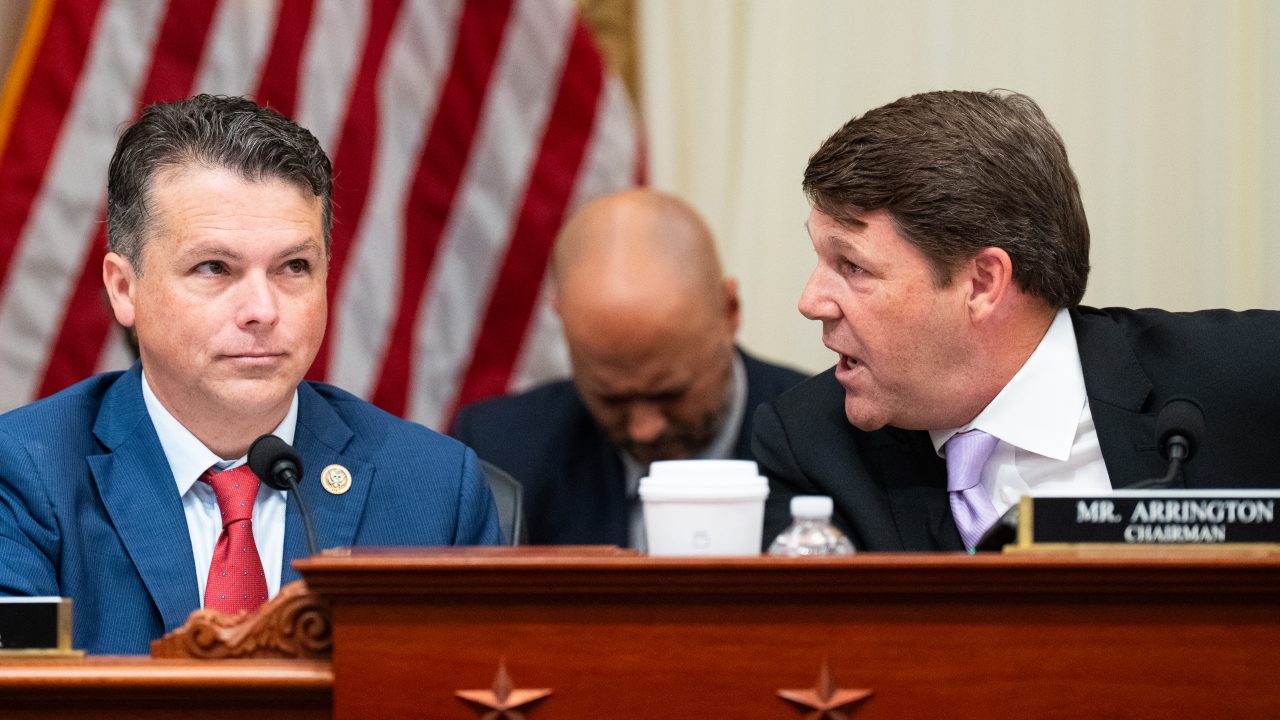
Rep. Brendan Boyle, the ranking Democrat on the House Budget Committee, is calling for a permanent end to the debt ceiling, citing an unexpected alignment with President Trump on the issue. With the U.S. projected to hit its borrowing limit again in 2027, Boyle sees a historic opening to resolve a fiscal mechanism that has repeatedly triggered political crises.
“I will not vote to simply kick the can down the road again and just raise the debt ceiling for another 18 months,” Boyle told TIME. “My next vote on the debt ceiling will only be to permanently reform it to end the dysfunction around it once and for all.” This would mark the first time the Pennsylvania Democrat votes against a straightforward debt ceiling increase in his nearly decade-long congressional career.
The debt ceiling was last raised in July 2025 by $5 trillion, bringing the total to $41.1 trillion. Treasury estimates suggest the government could reach this cap sometime between late winter and mid-summer of 2027. Once hit, the Treasury relies on cash reserves and extraordinary measures to meet obligations until the so-called X-date, when it may no longer be able to pay all bills on time.
While lawmakers often treat these votes as tests of fiscal discipline, raising the ceiling merely allows the government to pay for spending Congress has already authorized. Past impasses have resulted in credit downgrades and stock market volatility. Even some Republicans have criticized the status quo; Rep. Tim Burchett recently called the ceiling “a joke,” though others like former Rep. Chip Roy continue to view it as a vital negotiating tool.
A significant shift occurred during the Biden administration, when Trump urged his party to preserve the ceiling for leverage. Since returning to the White House, however, Trump has publicly advocated for its elimination. In June, he posted on Truth Social, stating, “I agree with Senator Elizabeth Warren on SOMETHING… The Debt Limit should be entirely scrapped to prevent an Economic catastrophe.”
Boyle’s proposed solution, the Debt Ceiling Reform Act introduced in 2023, would not abolish the ceiling entirely but would transfer the authority to suspend it to the Treasury secretary for periods of up to two years. Congress would retain the power to block suspensions via a joint resolution signed by the president. Boyle reports receiving quiet support from Republicans tired of recurring debt limit battles.
Historically, debt ceiling fights have been used by the majority party in Congress to extract concessions from the president. In 2011, House Republicans forced spending caps on President Barack Obama, leading to the first U.S. credit downgrade. In 2023, Speaker Kevin McCarthy negotiated a deal with President Joe Biden that capped discretionary spending and reduced deficits, while securing a debt suspension through 2024.
Boyle notes that the dynamic may reverse if Democrats gain control of Congress next year. He previously signed a letter with Minority Leader Hakeem Jeffries urging leaders to permanently end the threat posed by the federal debt ceiling. While the White House declined to comment on potential cooperation with Democrats, Boyle views the current political landscape as a unique chance for reform.
Beyond the debt ceiling, Boyle is preparing for a potential chairmanship of the House Budget Committee. He has built a database tracking the impact of Trump administration policies on household costs and healthcare, which Democratic offices have used to shape messaging. As chairman, he aims to overhaul the congressional budget process and reassert legislative power over spending, potentially summoning OMB Director Russell Vought for hearings.
The prospect of leadership also factors into Boyle’s political future. With Senator John Fetterman facing criticism and potential primary challenges in 2028, several House Democrats from Pennsylvania, including Boyle, are considering the Senate seat. Boyle plans to decide after the November elections, weighing whether a Senate seat or a influential House committee role would allow him to have the greatest impact on legislation.
“The prospect of being the chair of the budget committee… is the chance to be front and center,” Boyle said, describing the role as quarterbacking one of the most significant pieces of legislation in a lifetime. For now, he remains focused on ending what he calls the “debt ceiling dysfunction and danger,” a goal he has pursued for years.


Boyle wants to shift power to the Treasury Secretary? Sounds like another way to quietly bypass congressional oversight without real accountability.
It is fascinating to see Trump and Warren aligned on this. Finally ending the hostage-taking politics sounds like a relief for the markets.