
With students returning to classrooms, families are bracing for the annual spike in head lice infestations. September marks National Head Lice Prevention Month in the United States, a period when these parasites typically become more prevalent.
“Head lice can occur throughout the year, but cases are often noticed more frequently in late summer and early fall, when children return to school and resume close-contact activities,” said Dr. April Armstrong, chief of dermatology at the University of California, Los Angeles.
According to estimates from the Centers for Disease Control and Prevention (CDC), up to 12 million infestations occur annually among children aged 3 to 11. While the insects do not transmit disease, medical professionals emphasize that they can cause significant psychological distress due to persistent stigma.
“Having head lice is not a sign of poor hygiene, but it can cause stress and anxiety because there is this stigma that it is,” said Dr. Carla Torres Zegarra, a pediatric dermatologist at Children’s Hospital Colorado. She noted that untreated infestations can lead to intense itching and sleep disruption.
Understanding the Parasite
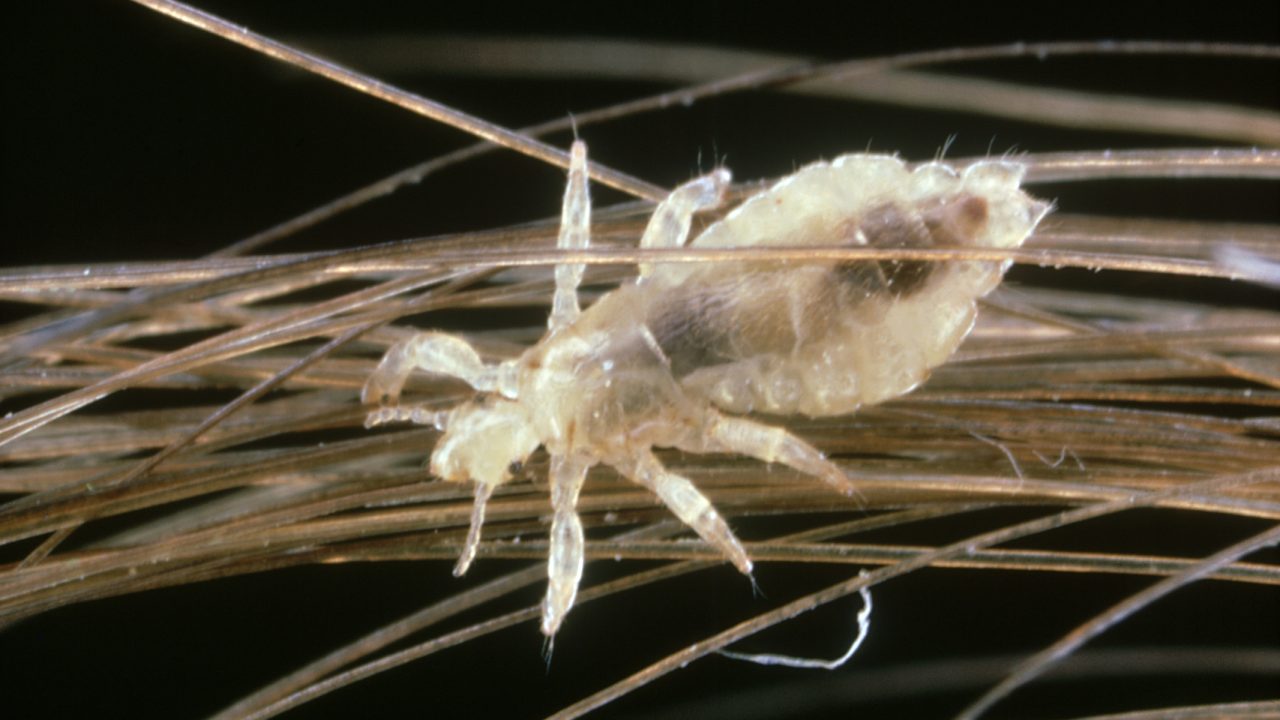
Head lice, scientifically known as Pediculus humanus capitis, are tiny, wingless insects that feed on human blood. Typically found on the scalp, though occasionally on eyebrows and eyelashes, adults resemble sesame seeds and range in color from tan to grayish-white, according to the American Academy of Pediatrics (AAP).
Lice attach their eggs, called nits, to the base of hair shafts using a glue-like substance. An infested individual may present a mix of adult lice, nymphs, viable nits, and empty egg casings.
It is important to distinguish head lice from other types. Pubic lice, or “crab” lice, have a shorter, rounder body and are primarily spread through sexual contact among adults. Body lice, which are associated with limited access to clean clothing and bathing facilities, reside mainly on fabric and bedding rather than the skin itself. In the U.S., body lice predominantly affect individuals experiencing homelessness or lacking access to hygiene resources.
Transmission and Myths
Because head lice cannot jump or fly, they spread almost exclusively through direct head-to-head contact. This explains why transmission is common among children who play in close proximity. Indirect transmission via combs, hats, helmets, or pillowcases is rare, as lice generally survive less than 24 hours away from the scalp, and nits require body heat to hatch.
The CDC, AAP, and the National Association of School Nurses advise against excluding children with head lice from school. Research indicates that while lice spread in classrooms, the actual contagion rate is low. Furthermore, animals do not carry or transmit head lice to humans.
Symptoms and Diagnosis
The most frequent symptom is an itchy scalp, particularly behind the ears and near the nape of the neck. Some individuals report a tickling sensation or the feeling of something moving in their hair. Scratching can lead to redness, sores, or secondary bacterial infections.
Dr. Armstrong explained that first-time infestations may not trigger itching for four to six weeks, as the body requires time to develop an allergic response to louse saliva. Consequently, people can carry lice without showing symptoms.
Diagnosis is best confirmed by examining the hair and scalp under bright light for live, crawling lice. Tools such as magnifying glasses or fine-toothed lice combs can assist in this process. However, misdiagnosis is common; laboratories frequently receive samples presumed to be lice or nits that turn out to be dandruff, hairspray residue, scabs, dirt, or debris blown into the hair by wind.
Treatment Options
The FDA has approved several over-the-counter and prescription treatments, including lotions and shampoos containing permethrin or pyrethrin. These are often used in conjunction with careful combing. Depending on the product, a second application may be required seven to ten days later to target newly hatched lice.
In cases of medication resistance, manual removal of lice and nits is necessary. While home remedies like mayonnaise, butter, or olive oil are sometimes suggested to suffocate lice, the AAP notes these are not FDA-approved, and more research is needed regarding their effectiveness. Prescription oral medications are also available.
Dr. Torres Zegarra warned against the use of essential oils and herbal products, citing a lack of FDA regulation and insufficient safety data for children. She also cautioned against treating itchy scalps without a confirmed diagnosis, as multiple unnecessary treatments can cause severe skin irritation.
Contrary to popular belief, shaving or cutting hair is not required for treatment. “Long or very thick hair may require more product and more time to comb thoroughly, but it can be treated successfully without removing the hair,” Armstrong said.
Prevention and Outlook
There is no foolproof method for preventing head lice, especially among young children who engage in close physical play. The most effective strategy is limiting direct head-to-head contact during known outbreaks. Household members and close contacts should be checked, and items used in the two days prior to treatment—such as clothing, towels, and bedding—should be washed and dried on high heat. Combs and brushes can be soaked in hot water.
The AAP advises regular checking of children and teaching them not to share personal items like combs and hats. However, they caution against avoiding helmet use, as indirect transmission is uncommon.
Ultimately, experts urge parents to remain calm. “It’s a nuisance problem but not a health crisis,” Torres Zegarra said. “No healthy child should lose out on education because of head lice. They should avoid head-to-head contact, but they shouldn’t be shamed or isolated.”


Schools really need to stop the two-week ban policy. Keeping kids home just disrupts learning without stopping the spread effectively.
Honestly, the stigma feels worse than the itching. Parents need to stop shaming kids over something so common and harmless.
I had no idea that first-time infestations take four to six weeks to cause itching. That explains so much confusion for parents.
Does anyone actually use those metal combs? My son says they are painful and just pull out his hair.
It is such a relief to know hygiene has nothing to do with this. I remember being excluded from school as a kid over this nonsense.