
The state of emergency has been declared in Hillsborough County, Florida, which encompasses Tampa, due to a rising surge in dengue cases. According to data from the Centers for Disease Control and Prevention, the state has recorded approximately 485 infections so far this year. While dengue outbreaks are not uncommon in Florida and are frequently tied to international travel, health officials have confirmed that one resident has died from the disease this year.
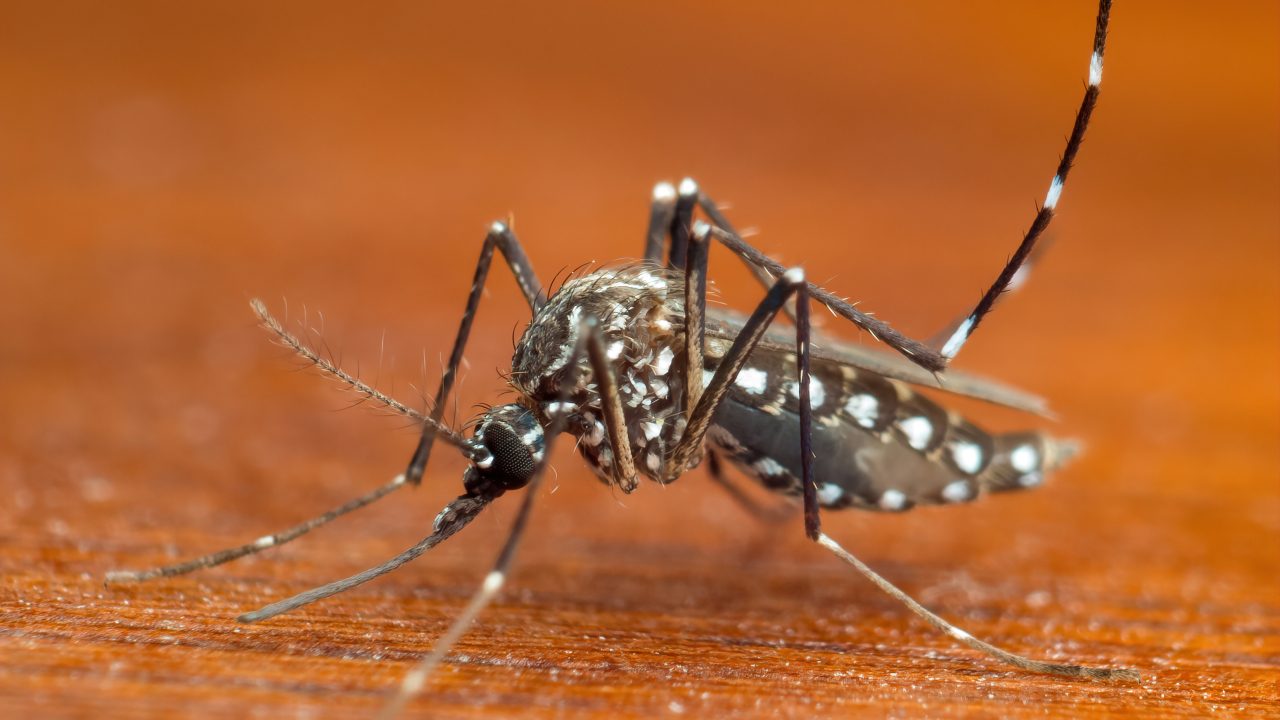
Michael Johansson, an epidemiologist at Northeastern University, highlighted the distinct nature of the current situation. “This is the most locally acquired cases that we’ve seen in the state,” he stated. Dengue is transmitted by the Aedes aegypti mosquito and typically manifests as a severe flu-like illness with symptoms appearing five to seven days after a bite. Although most Americans contract the virus while traveling abroad, the presence of suitable mosquito vectors in southern Florida allows for local spread when infected individuals are bitten by local mosquitoes.
Historical surveillance provides context for the severity of such events. During a 2009 incident in Key West involving two locally acquired cases, blood tests revealed that a significant portion of the town’s residents had been infected, many without showing symptoms. This suggests that official case counts may underestimate the true scale of an outbreak. Furthermore, dengue poses a particular danger upon second exposure; subsequent infections can lead to dengue hemorrhagic fever, a life-threatening condition characterized by bleeding and plummeting blood pressure.
The risk of severe reactions in previously unvaccinated or non-immune individuals has complicated vaccine development. In 2017, manufacturer Sanofi Pasteur issued warnings regarding its Dengvaxia vaccine after it was found to cause serious complications in individuals who received it as their first exposure to the virus. Consequently, no dengue vaccine is currently available in the United States; Dengvaxia was discontinued by the manufacturer in 2025 due to low demand.
Despite the current surge, experts do not believe dengue will become permanently endemic in the continental U.S. at this time. Johansson noted that high rates of air conditioning use in Florida interrupt transmission chains, as mosquitoes rarely bite indoors. Additionally, Aedes aegypti mosquitoes generally remain within a 100-meter range of their breeding sites, meaning the virus relies on human travel to spread over longer distances.
With no cure available, prevention focuses on avoiding mosquito bites. Health experts recommend using repellent, wearing protective clothing, and eliminating standing water in yards, as these mosquitoes can breed in surprisingly small water sources like rainwater collected in plastic bags. While Johansson anticipates a decline in transmission as cooler weather approaches, he cautioned that current temperatures in Florida remain high enough to sustain mosquito activity, urging residents to maintain vigilance.


Leave a Reply